Every guest runs the same test on arrival: one toe in the pool. Here is how to pass it
By David Myers, Broker Associate · MyOrlandoVacationHome.com · Last updated November 2, 2026
Pool heat is a question every Orlando short-term rental (STR) pool home has to answer outside the summer months. An electric heat pump suits most Orlando pool homes: the U.S. Department of Energy says heat pumps work efficiently while the air stays above roughly 45 to 50 degrees and usually cost much less to run than gas heaters. Solar heaters cost the least to run, and Florida law limits how far an HOA can restrict them. Owners either build heat into the nightly rate or charge for it, and Airbnb and Vrbo have different rules for that charge. Florida's sales tax rule treats a mandatory pool heat charge differently from a truly optional one. Buyers should check the heater's type, age and controls before they make an offer.
Every guest who books a pool home runs the same test on arrival. Bags go down, shoes come off, and one toe goes into the pool. That toe writes more reviews than any welcome basket.
So pool heat is not a luxury line on the listing. It is a question the home has to answer every month that isn't summer.
Why Does Pool Heat Matter for an Orlando Vacation Rental?
Because Orlando books all year, and a cold pool is the first thing guests notice in the cooler months.
The private pool is the reason many guests pick a vacation home over a hotel room. Central Florida winters bring cool nights, and an unheated pool gives up its warmth overnight. Guests who arrive in the cooler months expect to swim, and the listing photos promised them a pool, not a reflecting pond.
Pool heat also shows up in the numbers. Our true cost guide notes that air conditioning and pool heat drive the electric bill, and our guide to pricing and seasonal demand covers how owners price the cooler weeks. Heat is part of both conversations.
Which Pool Heater Works Best: Heat Pump, Gas or Solar?
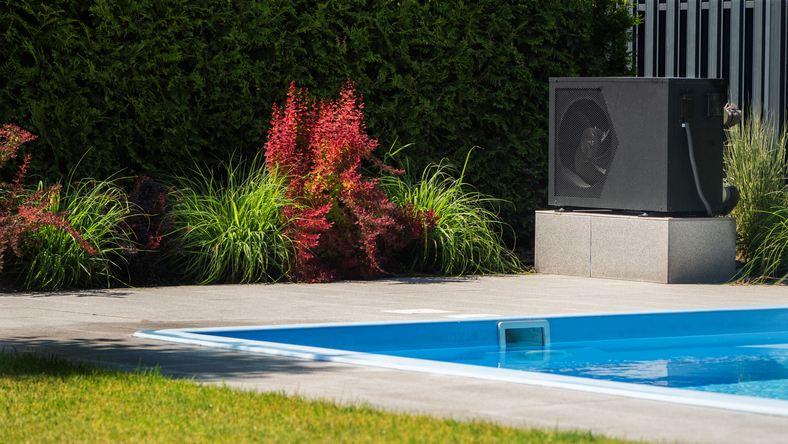
For most Orlando pool homes, a heat pump. Solar costs the least to run, and gas heats without depending on the air temperature.
Source: U.S. Department of Energy, Energy Saver. Sizing depends on the pool's surface area, the temperature you want and how windy and cool the site gets.
The Department of Energy recommends heat pumps for efficient heating in mild climates, and says their efficiency drops as the air gets colder. That suits Orlando's mild climate, with one caveat for the listing: on the coldest nights a heat pump works harder, costs more to run and may not hold the temperature guests expect. A gas heater, where the home has gas service, is the backup some owners pair with a heat pump for the coldest stretches.
Solar heaters cost about the same to buy as gas or heat pump units and very little to run. The catch is the roof. The Department of Energy says collectors work best facing true south, or within 45 degrees east or west of it, and a small or shaded roof limits what solar can deliver in the cooler months, which are exactly the months you need it.
Whatever heats the pool, a cover helps it stay warm. The Department of Energy calls covering a pool when it is not in use the most effective way to cut heating costs, because evaporation is the largest source of heat loss. In a rental, that only works if someone puts the cover on, so ask your manager whether it fits their turnover routine.
Should You Include Pool Heat or Charge for It?
Either works. Including it is simpler for guests; charging for it shifts the electric bill to the guests who use it.
Some owners include heat in the nightly rate and raise the rate in the cooler months. The guest sees one price, nobody argues about whether the heater was on, and the cost sits where your pricing tool can see it.
Other owners charge a separate daily or per-stay pool heat fee. That keeps the base rate lower in search results and charges only the guests who want heat. The trade-off is friction: guests who skip the fee and then find a cool pool tend to mention it in the review. Our guide to guest communication and reviews covers how to set expectations before arrival.
Whichever you choose, put it in writing in the listing and the house guide: whether heat is included, how long the pool takes to warm after the heater is turned on, and that a heat pump works less well on the coldest nights. A clear note costs nothing and heads off the one-toe review.
How Do Airbnb and Vrbo Handle a Pool Heat Fee?
Differently. Vrbo has custom fee types for it; Airbnb treats it as an optional add-on with strict rules.
Vrbo lets owners add custom fees when they set rates, and its list of fee types includes Pool and Heating. Ask Vrbo or your manager which type to use so the charge shows clearly in the guest's price.
Airbnb says hosts generally can't collect reservation-related fees off its platform. Optional add-ons, such as upgrades or amenity access, are allowed only if they are clearly stated in the listing description before booking, and the guest must pay through Airbnb's Resolution Center. Asking a guest to send money for pool heat any other way breaks Airbnb's rules. See our Airbnb vs Vrbo guide for how each platform charges owners.
Direct bookings and manager websites follow whatever your rental agreement says, so make sure the agreement and the listing say the same thing.
Is a Pool Heat Fee Taxable in Florida?
It depends on whether every guest has to pay it.
Florida taxes short-term rental charges with state sales tax, the county surtax and the county tourist development tax. Under the Department of Revenue's transient rental rule, Rule 12A-1.061, a charge that a guest must pay as a condition of the stay is part of the taxable rent, even when it is listed separately on the bill. A charge that is separately itemized, and for a service that is withheld when the guest declines to pay, is excluded.
So a pool heat fee charged on every booking is taxed like rent. A truly optional fee, where guests who decline don't get heat, falls under the exclusion in the state rule. Platforms and managers handle this differently, and the tourist tax is run by each county, so confirm with your manager, the Department of Revenue and your county before you set the fee up. Our guide to taxes on an Orlando vacation rental covers who collects what.
What Should Buyers Check About Pool Heat Before Making an Offer?
The heater's type, age and controls, and whether the home's rental history already reflects heat.
- Ask what type of heater the home has, when it was installed, and for any service records.
- Have your inspector or a pool contractor confirm the heater runs and is sized for the pool.
- Ask whether the manager can turn the heat on and off remotely before arrivals and after check-out.
- Look at the seller's statements for pool heat income or a higher winter rate, and at the electric bills for the cooler months.
- Check the HOA's rules on pool equipment and where it can be placed.
- If you are thinking about solar, look at the roof's direction and shade before you count on it.
Florida Statute 163.04 says deed restrictions and associations may not prohibit solar collectors on a home. The association may decide where on the roof they go, within the south-facing range the statute sets, as long as that placement does not impair how they work. That helps owners in resorts with strict architectural rules, though the approval process still applies. See our guide to HOA and condo rules.
Pool safety rules apply whether the pool is heated or not – see our guide to safety rules for Orlando vacation rentals. If the pool heater is older, add it to the maintenance plan and the reserve fund.
Pros, Cons and Our Take
Pros
- A heated pool keeps the home competitive with other pool homes in the cooler months.
- A heat pump usually costs much less to run than gas.
- Florida law limits how far an HOA can block solar collectors.
Cons
- Heat adds to the electric bill and the equipment list.
- Heat pumps lose efficiency on the coldest nights, and solar depends on sun and roof space.
- A separate pool heat fee brings platform rules, tax questions and review risk.
Our Take
Buy a pool home with a working heater, or price one into your offer. A properly sized heat pump, remote controls for the manager and a clear note in the listing serve most Orlando pool homes well. Decide early whether heat is included or charged, set it up the way each platform allows, and confirm the tax treatment once. Then the toe test takes care of itself.
What Owners Should Know
- Write the pool heat policy into the listing, the rental agreement and the house guide.
- Collect any pool heat charge on Airbnb only through the Resolution Center, and only if the listing states it before booking.
- Confirm with your manager whether the fee is taxed and how it is reported.
- Service the heater once a year and keep the records for resale.
Comparing homes? Our condo, townhome and pool home guide and our buyer's guide walk through the choices.
Official Sources
- U.S. Department of Energy: swimming pool heating and maintenance
- U.S. Department of Energy: heat pump swimming pool heaters
- U.S. Department of Energy: solar swimming pool heaters
- U.S. Department of Energy: swimming pool covers
- Airbnb: what if a host asks for more money
- Vrbo: available custom fee options
- Florida Administrative Code Rule 12A-1.061 (transient accommodations)
- Florida Department of Revenue: transient rental tax brochure
- Florida Statute 163.04 (energy devices based on renewable resources)
Buying or selling an Orlando vacation home? Call/Text David Myers at 407.801.3286 or send us a message.
Frequently Asked Questions
What is the best pool heater for an Orlando vacation rental?
For most Orlando pool homes, an electric heat pump. The Department of Energy says heat pumps work efficiently while the air stays above roughly 45 to 50 degrees and usually cost much less to run than gas heaters. Solar is the cheapest to run but depends on sun and roof space.
Can I charge a pool heat fee on Airbnb?
Airbnb lets hosts charge for optional add-ons only if they are clearly stated in the listing description before booking, and the payment must go through Airbnb's Resolution Center, not off the platform. Another option is to build heat into the nightly rate.
Can I charge a pool heat fee on Vrbo?
Vrbo lets owners add custom fees when setting rates, and its list of fee types includes Pool and Heating. Check with Vrbo or your manager how the fee will show to guests.
Is a pool heat fee subject to Florida sales tax?
Under Florida's transient rental rule, a charge every guest must pay is taxable even when it is listed separately. An optional charge that is separately itemized, and withheld when a guest declines to pay, is excluded. Confirm your setup with the Department of Revenue and your county.
Can an HOA stop me from adding a solar pool heater?
Florida Statute 163.04 says deed restrictions and associations may not prohibit solar collectors. The association may choose where on the roof they go, within the orientation the statute allows, as long as the placement does not impair how they work.
David Myers is a licensed Florida real estate broker, working as a broker associate with Ziro Realty, and is not an attorney or tax professional. This article is general information, not legal or tax advice. Platform policies and tax rules change; confirm current requirements with Airbnb, Vrbo, the Florida Department of Revenue and your county before you set up a fee.