Orlando Vacation Homes › Host Hub Blog › Legal & Regulatory Updates › Future Trends: What to Expect in Short-Term Rental Regulation in Orlando
Predictions and Upcoming Changes in Local and State Regulations
 Hello Orlando hosts! Staying ahead of regulatory trends is crucial for effective property management. Here’s a look at potential future trends in short-term rental regulations and what you can expect in Orlando.
1. Increasing Regulation and Compliance Requirements
Anticipate an increase in regulation and compliance requirements for short-term rentals. Local governments may introduce more stringent rules related to safety, health, and operational standards.
2. Impact of Technological Advances
Technology may play a larger role in regulatory enforcement. Innovations such as smart monitoring systems and automated reporting tools could impact how regulations are implemented and enforced.
3. Changes in Zoning and Land Use Policies
Watch for potential changes in zoning and land use policies that may affect short-term rental operations. New zoning laws could impact where and how short-term rentals can operate within the city.
4. Evolving Tax and Fee Structures
Expect changes in tax and fee structures related to short-term rentals. Local and state authorities may adjust tax rates or introduce new fees to better manage and regulate the short-term rental market.
5. Community and Neighborhood Considerations
Community concerns and neighborhood dynamics may influence future regulations. Local governments may introduce measures to address noise, parking, and other issues related to short-term rental properties.
Staying informed about future regulatory trends will help you adapt and ensure compliance with upcoming changes. For personalized advice and support, consider consulting with a local expert in rental regulations.
Ready to buy or sell your Orlando Vacation Home? Start at MyOrlandoVacationHome.com. Your Orlando Vacation Home Experts!
Disclaimer: This article is intended for informational purposes only and is not intended to replace the advice of a professional in the subject matter. Always consult your financial, tax, legal or management advisor before making any decisions.
 Hello Orlando hosts! Local noise ordinances can significantly impact the operation of short-term rentals. Here’s an overview of how noise regulations affect your rental property and tips for staying compliant.
 Hello Orlando hosts! Managing security deposits correctly is crucial for compliance with local regulations and ensuring a smooth rental process. Here’s what you need to know about security deposit regulations for short-term rentals.
 Hello Orlando hosts! Crafting a comprehensive rental contract is essential for managing your short-term rental property effectively. Here’s a guide to revising or drafting contracts to ensure compliance with new regulations.
 Hello Orlando hosts! Homeowners associations (HOAs) play a significant role in regulating short-term rentals within their communities. Here’s an overview of recent changes in HOA rules and what they mean for your rental property.
 Hello Orlando hosts! Local regulations play a crucial role in shaping how rental platforms like Airbnb and Vrbo operate. Here’s a look at how these regulations impact your use of these popular platforms.
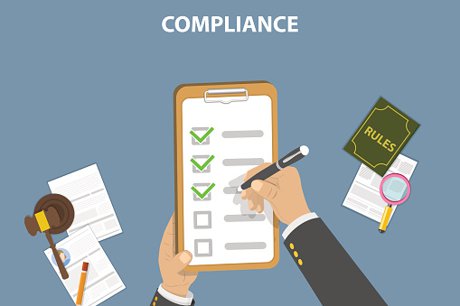 Hello new Orlando hosts! Starting a short-term rental involves navigating various regulatory requirements to ensure compliance. Here’s a comprehensive checklist to help you get started and stay on track.
 Hello Orlando hosts! Changes in short-term rental regulations can have a significant impact on property values. Here’s an analysis of how recent and upcoming regulations might affect your property’s market value.
 Hello Orlando hosts! Keeping up with permit renewals is essential for staying compliant with local regulations. Here’s a step-by-step guide to help you navigate the new permit renewal procedures for short-term rentals in Orlando.
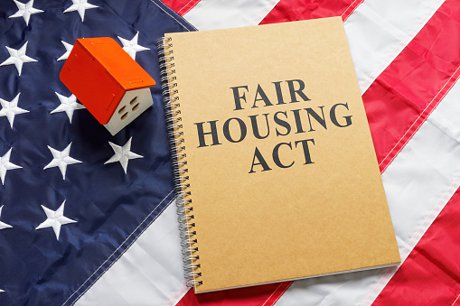 Hello Orlando hosts! Navigating federal housing laws can be complex, especially when it comes to short-term rentals. The Fair Housing Act (FHA) plays a significant role in ensuring non-discriminatory practices in rental housing. Here’s what you need to know.
 David Myers 407-801-3286