Orlando Vacation Homes › Host Hub Blog

My Orlando Vacation Home Host Hub

Ideas, How To's, & Best Practices for getting the most out of your Orlando Airbnb, Vrbo or Short Term Vacation Rental Property.

Select a Category...

Area Attractions Financial Management Guest Experience Enhancement
Investment Insights Legal/Regulatory Updates Marketing Strategies
Orlando Resorts Property Management Tips Seasonal Trends & Events
  Theming & Design  

Latest Posts...

Aug. 28, 2024

10 Creative Welcome Gifts That Will Wow Your Orlando Guests

Orlando Vacation Homes Host Hub Blog Guest Experience Enhancement › Creative Welcome Gifts

Make a Lasting First Impression with Thoughtful Orlando Touches

Short Term Rental Welcome GiftsIn Orlando’s competitive short-term rental market, a unique welcome gift can make a strong first impression and set your property apart. Thoughtful gifts show guests that you care about their comfort and enhance their overall experience from the moment they arrive.

Locally Sourced Treats: Enhance your welcome gift with artisanal snacks from local Orlando vendors. Gourmet chocolates from local chocolatiers or handmade pastries from nearby bakeries offer guests a taste of the local flavor, making their arrival memorable and enjoyable.

Customized Welcome Note: A personalized note can add a special touch. Use a card featuring Orlando landmarks or attractions to make the note feel unique and relevant. This small gesture helps guests feel immediately welcomed and appreciated.

Fresh Flowers: A bouquet from a local florist can brighten up the space and create a welcoming atmosphere. Fresh flowers not only enhance the aesthetics of the property but also add a touch of elegance and warmth to your guests' arrival.

Local Map and Guide: Provide a comprehensive guide featuring top Orlando attractions, dining spots, and shopping areas. Including recommendations for popular destinations and local dining options will help guests make the most of their stay and explore the area with ease.

Essential Travel Items: Practical gifts such as a reusable water bottle or travel-sized toiletries can be both useful and appreciated. These items help guests feel more comfortable and prepared during their stay, adding a touch of convenience to their visit.

Wine or Craft Beer: Including a bottle of local wine or craft beer offers guests a taste of the region and can be a delightful addition to their stay. This thoughtful touch not only enhances their experience but also introduces them to local flavors.

Cozy Throw Blanket: A soft, stylish blanket can add a layer of comfort and luxury to your guests' stay. Providing a cozy throw helps create a welcoming atmosphere and offers guests a way to relax and enjoy their downtime in comfort.

Books or Magazines: Providing reading material about Orlando’s attractions offers guests entertainment and insight into local highlights. Books about local history or guides to popular destinations can enhance their visit and provide valuable information.

Homemade Cookies: Freshly baked cookies from a local bakery add a personal touch and a delicious treat for your guests. This gesture shows thoughtfulness and provides a sweet welcome to your property.

Gift Cards: Including a gift card to local favorites offers guests flexibility and encourages them to explore Orlando’s dining scene. Providing gift cards to well-known restaurants or entertainment venues adds convenience and enhances their experience.

These thoughtful welcome gifts not only create a warm reception but also showcase the best of Orlando, setting your property apart and enhancing guest satisfaction.

Ready to buy or sell your Orlando Vacation Home? Start at MyOrlandoVacationHome.com. Your Orlando Vacation Home Experts!

Disclaimer: This article is intended for informational purposes only and is not intended to replace the advice of a professional in the subject matter. Always consult your financial, tax, legal or management advisor before making any decisions.

Aug. 28, 2024

Contingency Funds

Orlando Vacation Homes Host Hub Blog Financial Management › Contingency Funds

Strategies for Building and Maintaining a Contingency Fund for Your Short-Term Rental

Short Term Rental Contingency FundsA contingency fund is an essential financial safety net for short-term rental owners. It helps cover unexpected expenses and manage financial challenges that may arise. Building and maintaining a robust contingency fund ensures that your rental business remains resilient in the face of unforeseen events. In this article, we’ll explore effective strategies for creating and managing your contingency fund.

1. Determine Your Contingency Fund Goal

Start by setting a target amount for your contingency fund based on your rental property’s needs:

  • Calculate Potential Expenses: Estimate the costs of unexpected repairs, maintenance, and vacancies. A common rule of thumb is to have 3 to 6 months’ worth of operating expenses in your fund.
  • Consider Seasonal Variations: Account for seasonal fluctuations that might impact your cash flow and require additional reserves.

For tips on setting financial goals, visit NerdWallet’s Guide to Setting Financial Goals.

2. Establish a Separate Savings Account

To keep your contingency fund separate from your everyday finances, open a dedicated savings account:

  • Choose the Right Account: Look for high-yield savings accounts or money market accounts to earn interest on your contingency fund.
  • Automate Contributions: Set up automatic transfers from your rental income to your contingency fund account to ensure consistent growth.

Explore options for high-yield savings accounts at Bankrate’s Guide to High-Yield Savings Accounts.

3. Regularly Contribute to Your Fund

Consistent contributions are key to building and maintaining a healthy contingency fund:

  • Allocate a Percentage of Income: Decide on a percentage of your rental income to regularly contribute to your contingency fund.
  • Adjust Contributions as Needed: Increase contributions during peak rental seasons or when you experience a higher-than-usual income.

Learn more about budgeting and savings strategies at The Balance’s Guide to Creating a Budget.

4. Monitor and Review Your Fund Regularly

Regularly reviewing your contingency fund ensures it meets your needs:

  • Track Fund Growth: Monitor the balance of your contingency fund and assess whether it aligns with your financial goals.
  • Review Expense Projections: Periodically update your expense projections to ensure your fund remains adequate for potential challenges.

For tips on monitoring savings, visit Investopedia’s Guide to Tracking Savings Goals.

5. Use Your Fund Wisely

When utilizing your contingency fund, ensure you do so judiciously:

  • Prioritize Essential Expenses: Use the fund for critical repairs, urgent maintenance, or periods of low occupancy.
  • Replenish the Fund: After using funds, make a plan to replenish the account to maintain your safety net.

Learn more about managing emergency funds at Money Under 30’s Guide to Managing an Emergency Fund.

6. Prepare for Long-Term Financial Stability

Building a contingency fund is part of ensuring long-term financial stability for your short-term rental business:

  • Review Financial Health: Regularly assess your overall financial health and adjust your contingency fund goals as needed.
  • Integrate with Financial Planning: Incorporate your contingency fund strategy into your broader financial planning efforts.

Explore comprehensive financial planning tips at Financial Planning Association’s Guide.

Conclusion

Building and maintaining a contingency fund is essential for managing the financial stability of your short-term rental property. By setting a clear goal, establishing a separate savings account, contributing regularly, and using the fund wisely, you can safeguard your rental business against unexpected challenges and ensure long-term success.

Ready to buy or sell your Orlando Vacation Home? Start at MyOrlandoVacationHome.com. Your Orlando Vacation Home Experts!

Disclaimer: This article is intended for informational purposes only and is not intended to replace the advice of a professional in the subject matter. Always contact your financial, tax, legal or management advisor before making any decisions.

Aug. 28, 2024

Navigating Local Short Term Rental Regulations

Orlando Vacation Homes Host Hub Blog Financial Management › Navigating Local Regulations

Navigating Local Regulations and Their Financial Impact on Your Short-Term Rental

Short Term Local RegulationsOperating a short-term rental property comes with the responsibility of complying with local regulations. Understanding and adhering to these regulations is essential not only for legal compliance but also for managing the financial impact they may have on your rental business. In this article, we’ll explore how to navigate local regulations and their financial implications.
1. Research Local Short-Term Rental Laws

Each locality may have its own set of rules and regulations governing short-term rentals. It’s crucial to be well-informed:

  • Licensing Requirements: Determine if you need a specific license or permit to operate a short-term rental in your area.
  • Zoning Laws: Check local zoning laws to ensure your property is located in an area where short-term rentals are permitted.
  • Occupancy Limits: Understand any restrictions on the number of guests or the duration of stays allowed.

For information on local regulations, visit Airbnb’s Guide to Local Laws.

2. Assess the Costs of Compliance

Compliance with local regulations often involves additional costs that can impact your profitability:

  • Permit and Licensing Fees: Calculate the cost of obtaining and renewing necessary permits and licenses.
  • Inspection Fees: Factor in any costs associated with property inspections required for compliance.
  • Insurance Requirements: Ensure you meet any additional insurance requirements set by local regulations.

Learn more about assessing compliance costs at The Balance’s Guide to Startup Costs.

3. Implement Necessary Property Changes

Local regulations may require modifications or upgrades to your property:

  • Safety Improvements: Implement safety measures such as smoke detectors, fire extinguishers, and secure locks if required.
  • Accessibility Features: Make any necessary adjustments to meet accessibility standards.
  • Property Modifications: Ensure compliance with regulations related to property appearance or amenities.

Explore tips for implementing property changes at Houzz’s Home Improvement Tips.

4. Understand Tax Implications

Local regulations may also affect your tax obligations:

  • Local Taxes: Determine if you need to collect and remit local taxes such as occupancy or transient taxes.
  • Tax Reporting: Ensure you comply with any local tax reporting requirements for rental income.
  • Potential Deductions: Explore potential tax deductions related to compliance costs and property modifications.

For guidance on tax implications, visit IRS’s Guide to Local Taxes.

5. Stay Updated on Regulatory Changes

Local regulations can change, so staying informed is essential:

  • Monitor Local News: Keep an eye on local news sources and community updates for changes in regulations.
  • Join Local Associations: Join local real estate or short-term rental associations for updates and networking opportunities.
  • Consult with Experts: Seek advice from legal or property management professionals to stay compliant with evolving regulations.

Learn more about staying updated at NAR’s Guide to Staying Updated with Local Regulations.

6. Plan for Financial Contingencies

Planning for potential financial impacts of regulatory compliance helps mitigate risks:

  • Budget for Compliance Costs: Allocate funds in your budget to cover compliance-related expenses.
  • Emergency Fund: Maintain an emergency fund to handle unexpected regulatory costs or fines.
  • Adjust Pricing: Consider adjusting your rental rates to account for increased costs due to compliance.

Explore financial planning tips at NerdWallet’s Guide to Budgeting.

Conclusion

Understanding and navigating local regulations is essential for the successful operation of your short-term rental property. By researching local laws, assessing compliance costs, implementing necessary changes, understanding tax implications, staying updated, and planning for financial contingencies, you can manage the regulatory impact on your rental business effectively.

Ready to buy or sell your Orlando Vacation Home? Start at MyOrlandoVacationHome.com. Your Orlando Vacation Home Experts!

Disclaimer: This article is intended for informational purposes only and is not intended to replace the advice of a professional in the subject matter. Always contact your financial, tax, legal or management advisor before making any decisions.

Aug. 28, 2024

Managing Cash Flow

Orlando Vacation Homes Host Hub Blog Financial Management › Managing Cash Flow

Managing Cash Flow: Best Practices for Short-Term Rental Owners

Managing Cash FlowEffective cash flow management is crucial for the success of short-term rental properties. Properly managing your cash flow ensures that you can cover expenses, invest in property improvements, and ultimately maximize your rental income. In this article, we’ll explore best practices for managing cash flow to keep your short-term rental business running smoothly.

1. Track All Income and Expenses

Accurate tracking of your rental income and expenses is the foundation of good cash flow management:

  • Income Tracking: Record all sources of income, including rental payments, cleaning fees, and additional services offered to guests.
  • Expense Tracking: Keep detailed records of all expenses, including property management fees, maintenance costs, utilities, and supplies.
  • Use Accounting Software: Consider using accounting software or apps to streamline tracking and generate financial reports.

Explore accounting solutions for rental properties at QuickBooks Property Management.

2. Create a Cash Flow Budget

Developing a cash flow budget helps you plan for future expenses and manage income fluctuations:

  • Estimate Income: Project your expected rental income based on occupancy rates and seasonal trends.
  • Plan for Expenses: Estimate regular and irregular expenses, such as repairs, property management fees, and seasonal maintenance.
  • Build an Emergency Fund: Set aside a portion of your income to cover unexpected expenses or periods of low occupancy.

Learn more about creating a cash flow budget at Investopedia’s Guide to Cash Flow Budgets.

3. Monitor Cash Flow Regularly

Regular monitoring of your cash flow allows you to identify issues early and make necessary adjustments:

  • Review Financial Reports: Regularly review your income and expense reports to ensure that you are staying within budget.
  • Analyze Trends: Look for trends in your cash flow, such as seasonal fluctuations or recurring expenses, and adjust your budget accordingly.
  • Adjust Strategies: Make adjustments to your pricing, booking policies, or expense management based on your cash flow analysis.

For tips on financial monitoring, visit The Balance’s Guide to Monitoring Cash Flow.

4. Optimize Revenue Streams

Maximize your income by exploring additional revenue streams and optimizing existing ones:

  • Increase Occupancy: Implement strategies to increase occupancy rates, such as offering special promotions or discounts during off-peak seasons.
  • Offer Add-On Services: Provide additional services, such as airport transfers, guided tours, or early check-in/late check-out options, to increase revenue.
  • Enhance Property Appeal: Invest in property upgrades and amenities that attract higher-paying guests or justify higher nightly rates.

Explore ways to optimize revenue at Rental Trader’s Tips for Increasing Rental Revenue.

5. Manage Seasonal Fluctuations

Short-term rental income can fluctuate with the seasons, so plan accordingly:

  • Adjust Pricing: Use dynamic pricing strategies to adjust your rates based on demand and seasonality.
  • Plan for Low Seasons: Save a portion of your income during peak seasons to cover expenses during slower periods.
  • Offer Promotions: Attract guests during low seasons with special offers or discounted rates.

Learn more about managing seasonal fluctuations at Airbnb’s Guide to Seasonal Fluctuations.

6. Review and Adjust Financial Goals

Regularly review and adjust your financial goals to ensure they align with your cash flow and business objectives:

  • Set Clear Goals: Define your financial goals, such as targeted income levels, return on investment, or savings objectives.
  • Monitor Progress: Track your progress towards achieving your financial goals and make adjustments as needed.
  • Seek Professional Advice: Consult with a financial advisor to review your cash flow management and optimize your financial strategy.

Explore goal-setting tips at Entrepreneur’s Tips for Financial Goal Setting.

Conclusion

Effective cash flow management is key to the success of your short-term rental property. By tracking income and expenses, creating a budget, monitoring cash flow, optimizing revenue, managing seasonal fluctuations, and reviewing financial goals, you can ensure a stable and profitable rental business.

Ready to buy or sell your Orlando Vacation Home? Start at MyOrlandoVacationHome.com. Your Orlando Vacation Home Experts!

Disclaimer: This article is intended for informational purposes only and is not intended to replace the advice of a professional in the subject matter. Always contact your financial, tax, legal or management advisor before making any decisions.

Aug. 28, 2024

Utilizing Tax Deductions

Orlando Vacation Homes Host Hub Blog Financial Management › Utilizing Tax Deductions

How to Utilize Tax Deductions and Credits for Short-Term Rental Owners

Utilizing Tax DeductionsOwning a short-term rental property can provide lucrative opportunities, but it also comes with financial responsibilities, including tax obligations. Fortunately, there are several tax deductions and credits available that can help reduce your taxable income and maximize your financial benefits. In this article, we’ll explore key tax deductions and credits that short-term rental owners can utilize to optimize their tax situation.
1. Understand the IRS Classification

First, it’s important to understand how the IRS classifies your rental property:

  • Business vs. Personal Use: Short-term rentals are typically classified as a business, which allows you to claim a variety of business-related deductions. However, if the property is used for personal purposes for part of the year, some deductions may be limited.
  • Material Participation: To qualify for certain deductions, you may need to prove material participation in the management of your rental property.

For detailed information on IRS classifications, visit IRS Topic No. 414: Rental Income and Expenses.

2. Deductible Expenses

Short-term rental owners can claim several expenses as deductions:

  • Property Management Fees: Fees paid to property management companies for handling bookings, guest services, and maintenance are deductible.
  • Maintenance and Repairs: Costs for repairs and routine maintenance to keep your property in good condition can be deducted.
  • Utilities: Expenses for utilities such as electricity, water, and gas are deductible if they are paid by you and not the tenant.
  • Advertising and Marketing: Costs associated with promoting your rental property, including online listings and print advertisements, are deductible.
  • Supplies and Equipment: Costs for supplies like cleaning products and small equipment used in the property are deductible.

Explore more about deductible expenses at IRS Publication 527: Residential Rental Property.

3. Home Office Deduction

If you use a portion of your home exclusively for managing your short-term rental property, you may qualify for the home office deduction:

  • Exclusive Use: The space must be used exclusively for managing rental operations to qualify for the deduction.
  • Proportional Deduction: Deduct a portion of your home expenses based on the percentage of your home used for business purposes.

For more information on the home office deduction, visit IRS Home Office Deduction Guide.

4. Depreciation

Depreciation allows you to deduct the cost of the property over its useful life:

  • Property Depreciation: Depreciate the cost of your property (excluding land) over 27.5 years for residential rental properties.
  • Improvements: Depreciate improvements and renovations separately over their respective useful lives.

Learn more about depreciation at IRS Topic No. 409: Capital Gains and Losses.

5. Tax Credits

In addition to deductions, consider these potential tax credits:

  • Energy Efficiency Credits: If you make energy-efficient improvements to your property, you may qualify for tax credits.
  • Historic Property Credits: If your property is a historic landmark, you may be eligible for credits for restoration and preservation efforts.

For information on available tax credits, check out Energy Star’s Tax Credits for Energy Efficiency.

6. Record-Keeping

Maintaining accurate records is crucial for claiming deductions and credits:

  • Receipts and Invoices: Keep all receipts and invoices for deductible expenses and improvements.
  • Financial Records: Maintain detailed records of all income and expenses related to your rental property.
  • Tax Documents: Retain copies of your tax returns and supporting documents for future reference and potential audits.

For tips on record-keeping, visit IRS Recordkeeping Guide.

Conclusion

Utilizing tax deductions and credits can significantly reduce your tax liability and enhance the financial benefits of owning a short-term rental property. By understanding eligible expenses, leveraging deductions, and maintaining accurate records, you can maximize your tax advantages and ensure compliance with tax regulations.

Ready to buy or sell your Orlando Vacation Home? Start at MyOrlandoVacationHome.com. Your Orlando Vacation Home Experts!

Disclaimer: This article is intended for informational purposes only and is not intended to replace the advice of a professional in the subject matter. Always contact your financial, tax, legal or management advisor before making any decisions.

Aug. 28, 2024

Handing Security Deposits

Handling Security DepositsOrlando Vacation Homes Host Hub Blog Financial Management › Handling Security Deposits

Tips for Handling Security Deposits and Preventing Disputes

Security deposits are a crucial aspect of managing short-term rental properties, providing a safeguard against potential damage or unpaid rent. However, handling security deposits can sometimes lead to disputes with guests if not managed properly. In this article, we’ll provide tips for effectively managing security deposits and preventing common disputes.

1. Set Clear Deposit Policies

Establishing clear policies regarding security deposits can help avoid misunderstandings and disputes:

  • Deposit Amount: Clearly state the amount of the security deposit required in your rental agreement or listing description.
  • Refund Conditions: Outline the conditions under which the security deposit will be refunded, including any deductions for damages or excessive cleaning.
  • Documentation: Include information on how and when the security deposit will be returned to the guest after their stay.

For more guidance on setting deposit policies, visit Airbnb’s Security Deposit Policy Guide.

2. Document the Property Condition

Accurate documentation of the property’s condition before and after each stay is essential to prevent disputes:

  • Photos and Videos: Take detailed photos or videos of the property’s condition before guests arrive and after they check out.
  • Checklists: Use a checklist to record the condition of various areas and items in the property, noting any pre-existing damage.
  • Guest Acknowledgment: Consider having guests sign a form acknowledging the property’s condition at check-in.

Learn more about documenting property conditions at The Balance’s Property Condition Documentation Tips.

3. Communicate Clearly with Guests

Open and clear communication with guests can help prevent misunderstandings:

  • Pre-Check-In Instructions: Provide guests with clear instructions regarding the security deposit, including how it is collected and refunded.
  • During the Stay: Address any concerns or issues promptly and maintain open communication to avoid escalation.
  • Check-Out Procedures: Clearly outline the check-out procedures and expectations for returning the property in good condition.

For tips on effective guest communication, visit Hostfully’s Guide to Guest Communication.

4. Handle Disputes Professionally

In the event of a dispute, handling the situation professionally can help resolve issues amicably:

  • Review Evidence: Carefully review all evidence, including photos, videos, and checklists, before making any decisions regarding deposit deductions.
  • Provide a Detailed Explanation: If deductions are necessary, provide a clear and detailed explanation to the guest, along with supporting evidence.
  • Follow Legal Guidelines: Ensure that any actions taken regarding the security deposit comply with local regulations and legal requirements.

Explore more on handling disputes at Nolo’s Rental Dispute Resolution Guide.

5. Use a Security Deposit Management Platform

Consider using a security deposit management platform to streamline the process:

  • Automation: Automate the collection, management, and return of security deposits to reduce administrative tasks and errors.
  • Transparency: Platforms often offer features that ensure transparency and compliance with deposit policies.
  • Security: Securely handle deposits and manage disputes through the platform’s built-in tools and support.

Check out Security Deposit’s Platform for solutions to manage deposits effectively.

Conclusion

Handling security deposits and preventing disputes requires clear policies, thorough documentation, effective communication, and professional management. By implementing these tips, you can minimize the risk of disputes and ensure a smoother experience for both you and your guests.

Ready to buy or sell your Orlando Vacation Home? Start at MyOrlandoVacationHome.com. Your Orlando Vacation Home Experts!

Disclaimer: This article is intended for informational purposes only and is not intended to replace the advice of a professional in the subject matter. Always contact your financial, tax, legal or management advisor before making any decisions.

Aug. 28, 2024

Long Term vs Short Term Rentals

Orlando Vacation Homes Host Hub Blog Financial Management › Long Term vs Short Term

Financial Benefits of Offering Long-Term Rentals vs. Short-Term Rentals

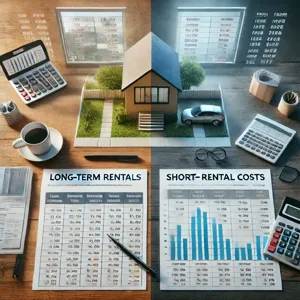
Short Term vs Long Term Rental ComparisonWhen deciding between offering long-term or short-term rentals, it's essential to consider the financial implications of each option. Both rental strategies come with their own set of advantages and challenges. In this article, we’ll explore the financial benefits of long-term rentals compared to short-term rentals to help you make the best decision for your property.
Benefits of Long-Term Rentals

Long-term rentals offer several financial advantages that can contribute to a more stable income stream:

  • Steady Cash Flow: With long-term leases, you receive a consistent monthly rental income, which provides financial stability and predictability.
  • Reduced Vacancy Costs: Long-term rentals typically result in fewer vacancies, reducing the costs associated with marketing, cleaning, and preparing the property for new tenants.
  • Lower Management Costs: Managing long-term tenants often requires less frequent attention compared to short-term rentals, which can lower property management costs.
  • Less Wear and Tear: Longer leases generally result in less wear and tear on the property, reducing maintenance and repair expenses.
  • Stable Tenants: Long-term tenants are likely to stay for extended periods, reducing the turnover rate and associated costs.

For more details on the benefits of long-term rentals, check out Rentec Direct’s Guide to Long-Term Rentals.

Benefits of Short-Term Rentals

Short-term rentals can offer financial benefits that may outweigh those of long-term rentals in certain situations:

  • Higher Rental Income Potential: Short-term rentals often command higher nightly rates, which can lead to increased overall rental income, especially in high-demand areas.
  • Flexibility: Short-term rentals offer flexibility in booking dates and pricing, allowing you to adjust rates based on demand and seasonality.
  • Personal Use: If you live near the rental property, you can use it for personal vacations or stays when it's not rented out.
  • Tax Benefits: Short-term rental owners may qualify for certain tax deductions and benefits related to property management and maintenance.
  • Higher Occupancy Rates: In peak seasons or high-tourist areas, short-term rentals can achieve high occupancy rates, maximizing revenue opportunities.

Learn more about the benefits of short-term rentals at Forbes’ Guide to Short-Term Rentals.

Comparing the Two Strategies

When comparing long-term and short-term rental strategies, consider the following factors:

  • Location: The location of your property can influence the demand for short-term versus long-term rentals. Tourist-heavy areas may benefit more from short-term rentals, while residential areas may be better suited for long-term rentals.
  • Management Preferences: Consider how much time and effort you are willing to invest in managing the property. Short-term rentals typically require more hands-on management and frequent guest turnover.
  • Income Goals: Evaluate your financial goals and risk tolerance. Short-term rentals may offer higher income potential but come with increased volatility, while long-term rentals provide more stable, predictable income.
  • Regulatory Considerations: Be aware of local regulations and restrictions for short-term rentals, as some areas may impose limitations or require permits.

Conclusion

Both long-term and short-term rental strategies offer distinct financial benefits. Long-term rentals provide stable, predictable income with lower management costs, while short-term rentals offer higher income potential and flexibility. By evaluating your location, management preferences, income goals, and regulatory considerations, you can choose the rental strategy that best aligns with your financial objectives.

Ready to buy or sell your Orlando Vacation Home? Start at MyOrlandoVacationHome.com. Your Orlando Vacation Home Experts!

Disclaimer: This article is intended for informational purposes only and is not intended to replace the advice of a professional in the subject matter. Always contact your financial, tax, legal or management advisor before making any decisions.

Aug. 28, 2024

Hiring a Property Manager

Orlando Vacation Homes Host Hub Blog Financial Management › Hiring a Property Manager

The Pros and Cons of Hiring a Property Management Company

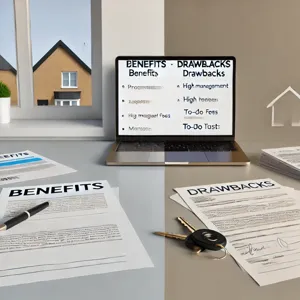
Pros and Cons of property management companyDeciding whether to hire a property management company for your short-term rental property is a significant decision that can impact your overall rental experience. Property management companies can offer various services to streamline operations, but they also come with their own set of advantages and disadvantages. In this article, we’ll explore the pros and cons of hiring a property management company to help you make an informed choice.

Pros of Hiring a Property Management Company

Property management companies offer several benefits that can enhance the management of your short-term rental property:

  • Expertise and Experience: Property management companies have experience handling rental properties and can effectively manage day-to-day operations, including guest communication, check-ins, and check-outs.
  • Marketing and Exposure: These companies often have established marketing channels and strategies to promote your property, increasing its visibility and booking potential.
  • 24/7 Guest Support: With a property management company, guests receive round-the-clock support, which can improve guest satisfaction and handle any issues that arise promptly.
  • Maintenance and Repairs: Property management companies typically have a network of contractors and service providers to handle maintenance and repairs efficiently.
  • Streamlined Operations: They handle administrative tasks such as booking management, cleaning services, and financial reporting, saving you time and effort.

For more insights on the benefits of property management companies, visit Buildium’s Guide on Hiring a Property Management Company.

Cons of Hiring a Property Management Company

While there are many advantages, there are also some potential drawbacks to consider:

  • Cost: Property management companies charge fees for their services, which can vary based on the scope of services and property size. These fees can impact your overall profitability.
  • Less Control: By outsourcing management, you may have less direct control over day-to-day operations and decision-making regarding your property.
  • Quality of Service: The quality of service provided by property management companies can vary. It’s important to thoroughly vet companies and check references to ensure they meet your standards.
  • Potential Conflicts: There can be occasional conflicts of interest, especially if the company manages multiple properties in the same area, which could impact your property’s priority.
  • Communication Challenges: Effective communication with the property management company is crucial. Poor communication can lead to misunderstandings and mismanagement of your property.

Explore more about the challenges of property management companies at The Balance’s Guide to Property Management Companies.

Choosing the Right Property Management Company

If you decide to hire a property management company, consider the following tips to ensure you select the right one:

  • Research and Compare: Research various companies, compare their services, and check customer reviews and ratings.
  • Interview Potential Companies: Conduct interviews to assess their experience, management style, and responsiveness to your needs.
  • Review Contracts Carefully: Review and understand the terms of the management agreement, including fees, responsibilities, and termination clauses.
  • Request References: Ask for references from current or past clients to get an idea of their reliability and performance.

For additional tips on selecting a property management company, visit Property Management’s Guide to Choosing a Company.

Conclusion

Hiring a property management company can provide numerous benefits, including expertise, marketing support, and efficient operations. However, it also comes with potential drawbacks such as cost and reduced control. Carefully weigh the pros and cons, and consider your own management capabilities and preferences when making your decision. Finding the right balance will help you maximize the success of your short-term rental property.

Ready to buy or sell your Orlando Vacation Home? Start at MyOrlandoVacationHome.com. Your Orlando Vacation Home Experts!

Disclaimer: This article is intended for informational purposes only and is not intended to replace the advice of a professional in the subject matter. Always contact your financial, tax, legal or management advisor before making any decisions.

Aug. 28, 2024

Reducing Utility Costs

Orlando Vacation Homes Host Hub Blog Financial Management › Reducing Utility Costs

How to Reduce Utility Costs in Your Short-Term Rental Property

Reducing Utility CostsUtility costs can be a significant expense for short-term rental property owners. By implementing strategies to reduce these costs, you can increase your profitability and offer more competitive rates. In this article, we’ll explore practical tips to help you lower utility expenses in your rental property.

1. Upgrade to Energy-Efficient Appliances

Investing in energy-efficient appliances can lead to substantial savings on utility bills:

  • Energy Star Appliances: Choose Energy Star-rated appliances for refrigerators, dishwashers, and washing machines, which consume less energy.
  • LED Lighting: Replace incandescent bulbs with LED bulbs, which use less energy and have a longer lifespan.
  • Smart Thermostats: Install a smart thermostat to better control heating and cooling, adjusting settings based on occupancy and weather conditions.

Learn more about energy-efficient appliances at Energy Star’s Website.

2. Implement Smart Home Technology

Smart home technology can help you monitor and manage utility usage more effectively:

  • Smart Meters: Install smart meters to track energy consumption in real time and identify areas where you can reduce usage.
  • Smart Power Strips: Use smart power strips to prevent energy wastage by automatically turning off devices when not in use.
  • Home Automation: Set up home automation systems to control lighting, heating, and cooling based on occupancy patterns.

Explore smart home solutions at CNET’s Smart Home Guide.

3. Optimize Heating and Cooling Systems

Efficient management of heating and cooling systems can reduce energy consumption:

  • Regular Maintenance: Schedule regular maintenance for your HVAC system to ensure it operates efficiently and prevent costly repairs.
  • Insulation and Sealing: Improve insulation and seal gaps around windows and doors to reduce heat loss and improve energy efficiency.
  • Temperature Management: Set your thermostat to an optimal temperature and consider using ceiling fans to circulate air and reduce heating and cooling costs.

For tips on HVAC maintenance, visit HVAC.com’s Maintenance Tips.

4. Reduce Water Usage

Implementing water-saving measures can lead to significant cost savings:

  • Low-Flow Fixtures: Install low-flow showerheads and faucets to reduce water usage without sacrificing performance.
  • Efficient Water Heaters: Upgrade to a tankless water heater or a high-efficiency model to reduce energy consumption.
  • Regular Leak Checks: Regularly check for and repair leaks in pipes, faucets, and toilets to prevent water waste.

Find more water-saving tips at EPA’s WaterSense Program.

5. Implement Energy-Saving Practices

Encourage energy-saving practices among guests and yourself:

  • Guest Education: Provide information to guests about energy-saving practices, such as turning off lights when not in use.
  • Use Energy-Efficient Windows: Install energy-efficient windows or window coverings to reduce heat gain or loss.
  • Energy Audits: Conduct energy audits to identify areas where you can improve efficiency and reduce costs.

Learn about energy audits at Energy.gov’s Energy Audit Information.

6. Review Utility Plans and Providers

Reviewing your utility plans and providers can help you find cost-saving opportunities:

  • Compare Plans: Compare utility plans and providers to find the best rates and services for your property.
  • Negotiate Rates: Contact your utility providers to negotiate rates or inquire about discounts and incentives for energy-efficient upgrades.
  • Monitor Utility Bills: Regularly review your utility bills to track usage and identify any unusual spikes in consumption.

For tips on comparing utility plans, visit EnergyCompare’s Utility Plan Comparison.

Conclusion

Reducing utility costs in your short-term rental property is a key factor in improving profitability. By upgrading to energy-efficient appliances, implementing smart home technology, optimizing heating and cooling systems, reducing water usage, encouraging energy-saving practices, and reviewing utility plans, you can manage and lower your utility expenses effectively.

Ready to buy or sell your Orlando Vacation Home? Start at MyOrlandoVacationHome.com. Your Orlando Vacation Home Experts!


Disclaimer: This article is intended for informational purposes only and is not intended to replace the advice of a professional in the subject matter. Always contact your financial, tax, legal or management advisor before making any decisions.

Aug. 28, 2024

Leveraging Data Analytics

Orlando Vacation Homes Host Hub Blog Financial Management › Leveraging Data Analytics

Leveraging Data Analytics to Optimize Your Short-Term Rental Revenue

Leveraging Data AnalyticsIn today’s competitive short-term rental market, leveraging data analytics can significantly enhance your revenue potential. By analyzing data, you can make informed decisions that optimize pricing, occupancy rates, and overall profitability. In this article, we’ll explore how to use data analytics to maximize your short-term rental revenue.

1. Understanding Key Metrics

To effectively use data analytics, start by understanding the key metrics that impact your rental revenue:

  • Occupancy Rate: Measures the percentage of available nights that your property is booked. High occupancy rates generally correlate with higher revenue.
  • Average Daily Rate (ADR): The average revenue earned per occupied night. Adjusting your ADR based on market conditions can optimize revenue.
  • Revenue per Available Room (RevPAR): Combines occupancy rate and ADR to give a comprehensive view of revenue performance.
  • Booking Lead Time: The average time between when a guest books and their stay. Understanding this can help with pricing and availability strategies.

For more details on key metrics, visit Hotelogix’s Guide to Key Metrics for Short-Term Rentals.

2. Utilizing Market Data

Market data provides insights into broader trends and competitive positioning:

  • Competitive Analysis: Analyze pricing and occupancy rates of similar properties in your area to understand market positioning and adjust your strategy.
  • Seasonal Trends: Identify seasonal trends and adjust your pricing and availability accordingly to capture peak demand and manage off-season periods.
  • Local Events: Track local events and activities that can influence demand for short-term rentals and adjust your pricing and marketing efforts.

Explore market data tools at AirDNA for comprehensive insights on rental markets.

3. Implementing Dynamic Pricing

Dynamic pricing uses real-time data to adjust rates based on demand and market conditions:

  • Demand-Based Pricing: Adjust rates based on current demand, occupancy levels, and booking trends.
  • Competitive Pricing: Use market data to set competitive rates that attract guests while maximizing revenue.
  • Automated Pricing Tools: Utilize pricing tools and software to automate rate adjustments based on predefined criteria and data inputs.

Learn more about dynamic pricing tools at PriceLabs for optimizing your rental rates.

4. Analyzing Guest Data

Guest data provides valuable insights into preferences and behaviors:

  • Booking Patterns: Analyze booking patterns to identify peak booking times and adjust marketing strategies.
  • Guest Preferences: Use feedback and reviews to understand guest preferences and tailor your property offerings accordingly.
  • Demographic Insights: Gather demographic information to target specific guest segments with tailored marketing and promotions.

Explore guest data analysis tools at Guestline’s Guide to Using Guest Data.

5. Leveraging Revenue Management Software

Revenue management software can automate and enhance your data analytics efforts:

  • Automated Reports: Generate automated reports to track performance metrics and make data-driven decisions.
  • Forecasting Tools: Use forecasting tools to predict future demand and adjust your pricing and availability strategies.
  • Integration with Booking Platforms: Integrate with booking platforms to streamline data collection and management across multiple channels.

Check out revenue management software options at Revinate’s Revenue Management Tools.

6. Measuring and Adjusting Performance

Regularly measuring and adjusting your performance based on data is key to ongoing optimization:

  • Performance Tracking: Continuously track key metrics and compare them against benchmarks and goals.
  • Strategy Adjustments: Adjust your pricing, marketing, and operational strategies based on data insights and performance reviews.
  • Feedback Loop: Implement a feedback loop to continuously refine your approach based on performance data and guest feedback.

For more tips on measuring performance, visit Forbes’ Guide to Using Data Analytics for Business Performance.

Conclusion

Leveraging data analytics can significantly enhance your ability to optimize short-term rental revenue. By understanding key metrics, utilizing market data, implementing dynamic pricing, analyzing guest data, leveraging revenue management software, and continuously measuring performance, you can make informed decisions that drive higher profitability and competitive advantage.

Ready to buy or sell your Orlando Vacation Home?

Start at MyOrlandoVacationHome.com. Your Orlando Vacation Home Experts!


Disclaimer: This article is intended for informational purposes only and is not intended to replace the advice of a professional in the subject matter. Always contact your financial, tax, legal or management advisor before making any decisions.